
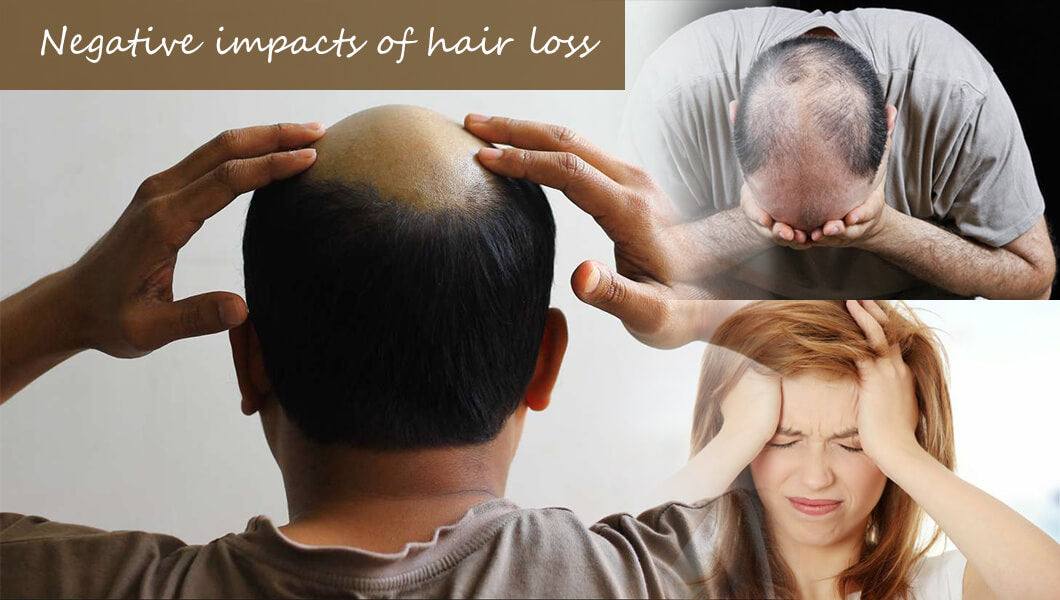
Hair loss causes one to look different – which can lead to unhappiness among sufferers with how they’ve changed from the past or with how people view them in the present. As a result, they may experience psychological stress when hair loss begins (read more information on SIGNS AND SYMPTOMS OF HAIR LOSS), or when it reaches a certain advanced stage. Specific concerns held by those enduring it include the following:
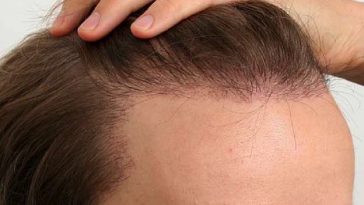
◇ Displeasure with appearance – Hair loss can cause a significant change in a person’s appearance – largely by shifting the balance of the face to the forehead. Many sufferers view themselves as less attractive after they’ve begun the process. This is particularly the case for young men who start hair loss at a young age, as one study showed. Another study by the American Academy of Dermatology found that women have a more negative body image than men after hair loss and are less able to adapt to the change.
◇ Unhappiness about getting older – Hair loss makes both men and women appear older. Consequently, for many of them the onset of the condition sends a strong sign that the end of youth is near, which may stir feelings of impending mortality.
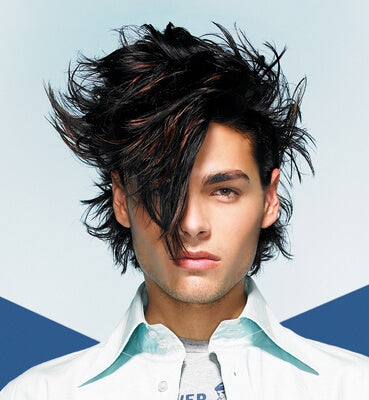 ◇ Lost ability to style hair – Having less hair means having less options to style it. It also means sufferers may have to spend more time and effort trying to hide their new reality, which may cause frustration.
In addition to affecting how they feel about themselves, hair loss can impacts how society acts towards sufferers. To a large extent, human culture treats those who are follically-challenged as worthy of teasing or contempt. This is backed up by studies indicating that 60 percent of bald men have experienced teasing at some point in their lives. This reality can cause sufferers to feel apprehensive about attending social events or to limit their activities. Hair loss victims may also experience different treatment (for example Laser Hair Regrowth Treatment) in their professional lives, especially if their role involves a lot of face-time or speaking to the public.
These challenges can cause sufferers to experience a raft of negative feelings, such as:
◆ Subconscious jealousy – They may feel heavily envious towards their counterparts with healthy, full heads of hair.
◆ Low confidence – They may feel too scared to try things they once used to with ease. For example, research has found that among male sufferers, almost 75% feel less confident since their hair loss began, particularly when it comes to interacting with women.
 ◆ Depression and anger – Some sufferers may take their new reality so hard that they become heavily sad. Alternatively, they may lash out at others due to a feeling of loss of control, which may serve as a means of coping. Most research on the topic reveals that individuals with alopecia maintain higher levels of anxiety and depression.
One example of research on the emotional state of hair loss sufferers is a study published in the journal Current Medical Research and Opinion. The study surveyed 1,536 men from 18 to 45 years old; it found the following:
☆ More than 70% identified hair as an important component of image. 62% agreed with the statement that hair loss could affect self-esteem
☆ The realization that they were losing hair was linked to concern about losing an important part of personal attractiveness (43% of men), fear of becoming bald (42%), concern about getting older (37%), negative effects on social life (22%), and feelings of depression (21%)
☆ Less than 10% of men were currently pursuing treatment for hair loss, and three out of four had never pursued treatment for hair loss, either at present or in the past.
☆ The few men who pursued treatment and had success also reported psychosocial benefits as a result: from 43% to 59% experienced improvements in measurements of self-esteem and perception of personal attractiveness.
As for women, surveys have shown that around 40% with hair loss have had marital problems, and around 63% claim to have had career-related problems.
In summary, hair loss can have a wide variety of negative effects on those who experience it. The best line of defense is to try to avoid it happening in the first place. The next chapter explores preventative methods that can be taken to do just that.
Related Posts:
How to Reduce Hair Fall in Men and Grow New Hair?
Best Laser Hair Growth Device - Low level Laser Therapy (LLLT) Hair Cap

Is your hair thinning?
Do you need a solution to regrow your hair without taking medications?
We have the perfect therapy for you--ReHair® Laser Cap. Its a low- level laser light therapy that stimulates the hair follicle to regrow.